LPU’s Sustainable Horizons: Advancing the SDGs

Sustainable Horizon is an innovative LPU initiative dedicated to driving positive change and fostering sustainability within our community and beyond. At LPU, we recognize the urgent need to address global challenges such as climate change, poverty, inequality, and environmental degradation. Inspired by the United Nations Sustainable Development Goals (SDGs), we have embarked on a transformative journey to contribute meaningfully to creating a better world for present and future generations.

LPU Sustainable Horizons serves as a holistic platform that integrates education, research, innovation, and community engagement to advance the SDGs. Through this initiative, we aim to empower our students, faculty, staff, and partners to become catalysts for sustainable development, driving impactful solutions and initiatives that address pressing societal and environmental issues.
Center for Sustainable Transformation

The Center for Sustainable Transformation is a research and action hub dedicated to advancing the United Nations 2030 Sustainable Development Goals (SDG) through innovative solutions and transformative initiatives.

VISION

To be a leader in driving sustainable transformation for a more equitable, resilient and thriving world, in alignment with the United Nations Sustainable Development Goals

MISSION

The Center for Sustainable Transformation is committed to advancing the UNs Sustainable Development Goals through innovative research, education, collaboration, and advocacy.  We strive to drive transformative solutions that address the interconnected challenges of environmental degradation, social inequality, and economic instability, leading to a prosperous and resilient future for the next generations.

FUNCTIONS

  • Research: The center conducts interdisciplinary research to address pressing sustainability challenges and identify opportunities for positive change in line with SDGs.
  • Education and Outreach : Provides educational programs, workshops and outreach activities to raise awareness about the SDGs and promote sustainable practices among students, faculty and the community.
  • Collaboration: The center collaborates with government agencies, businesses, NGOs and other stakeholders to develop partnership and projects that drive sustainable transformation at local, national and global levels.
  • Innovation: Fosters innovation by supporting sustainable technology development, social entrepreneurship , and other creative solutions that contribute to achieving the SDGs.
  • Advocacy: The center advocates for policies and practices that promote sustainability, equity, and environmental stewardship in alignment with the SDGs.

Guidelines in the Integration of Sustainable Development Goals (SDGs)

I. Rationale:

Integrating the UN 2030 Agenda SGDs in the university is crucial in addressing global challenges since it provides a comprehensive framework for addressing some of the world’s most pressing  challenges, such as poverty, inequality, climate change,  and environmental degradation. The university plays a critical role in equipping students with the knowledge, skills and values needed to address these challenges .


Higher education institutions have a responsibility to meet the needs of the society by aligning the programs and activities with the needs of the community.


By integrating SDGs in the curriculum, students will develop a sense of responsibility towards society and the environment. It can also promote innovation by encouraging students and faculty to develop new solutions to the world’s  most pressing challenges and create a more sustainable future for all.


II. SDG Committee

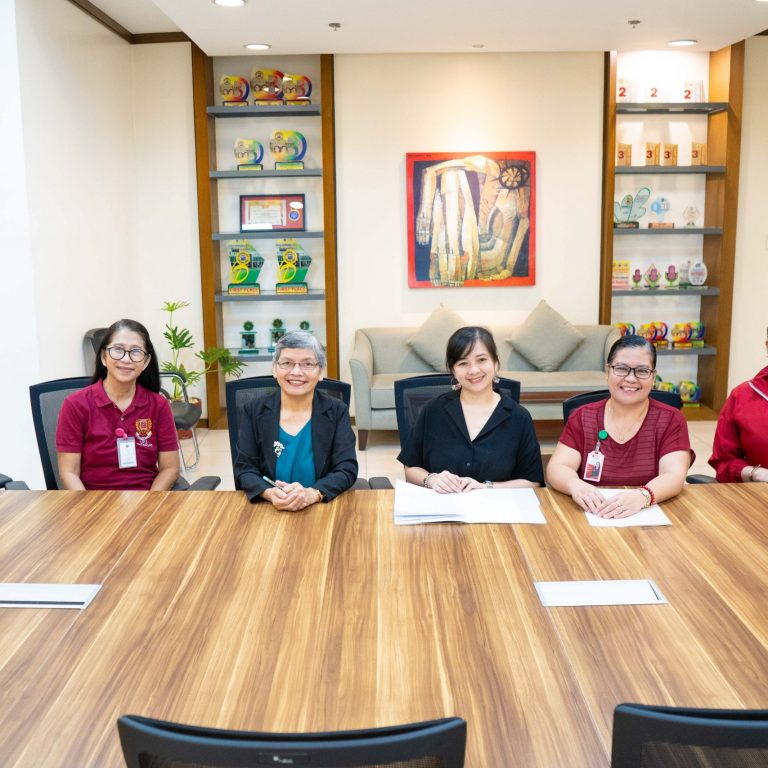
The SDG committee headed by the Vice President for Academics and Research  shall promote and implement sustainable development practices and initiatives. The primary committee is composed of deans, and department heads, while the sub-committee includes teachers, students, and administrative staff and its main purpose is to support the integration of the SDGs into the school’s curriculum, operations, and culture.


By creating an SDG committee, the university can take a proactive approach to promoting sustainable development and contribute to the achievement of the SDGs.


III. Purpose and scope of the committee:

The purpose of an SDG committee is to promote sustainable development within an organization by identifying and prioritizing the Sustainable Development Goals (SDGs) and developing initiatives and strategies to achieve them.


The committee’s scope includes:
 

  1. Setting goals and priorities: identify the SDGs that are most relevant to the university and set goals and priorities for achieving them. This involves assessing the university’s current practices and identifying areas for improvement.


  1. Developing initiatives and strategies: Once the goals and priorities are established, the committee shall develop initiatives and strategies to achieve them. Develop an action plan that outlines the activities and initiatives that it will undertake to promote the SDGs in the school. This involves developing new policies, programs, or projects that align with the SDGs, organizing events, developing educational resources, and implementing sustainable practices in the university operations.


  1. Integrating the SDGs into the curriculum: The Deans Council will work with faculty to integrate the SDGs into the curriculum through developing new lesson plans, activities, and projects that are focused on the SDGs.


  1. Promoting awareness and engagement: This involves organizing events, workshops, or other activities to educate people about the SDGs and encourage them to get involved


  1. Building partnerships: build partnerships with other organizations or communities that are working towards similar goals. This involves collaborating on projects or sharing resources and expertise to achieve the SDGs.


  1. Monitoring and reporting progress: the committee shall monitor and report on the organization or community’s progress towards achieving the SDGs. This involves tracking the implementation of initiatives and strategies and assessing their impact on the organization or community.


  1. Evaluating progress: regular monitoring and evaluation of its progress in achieving its objectives to identify areas where improvements can be made and ensure that the committee’s efforts are having a positive impact on the school community.


IV. Sub-committee meeting

  1. The Subcommittee shall meet regularly to identify the relevant plans and programs aligned with their assigned SGD. (Monthly)
  2. The chair is responsible to implement and monitor the identified plans and programs.
  3. The chair will attend the regular meeting with the institutional committee.


V. Submission of report


  1. The chair shall submit the plan/programs to the President thru the VPAR.
  2. The chair shall also submit progress report at the end of the semester and accomplishment report at the end of the academic year

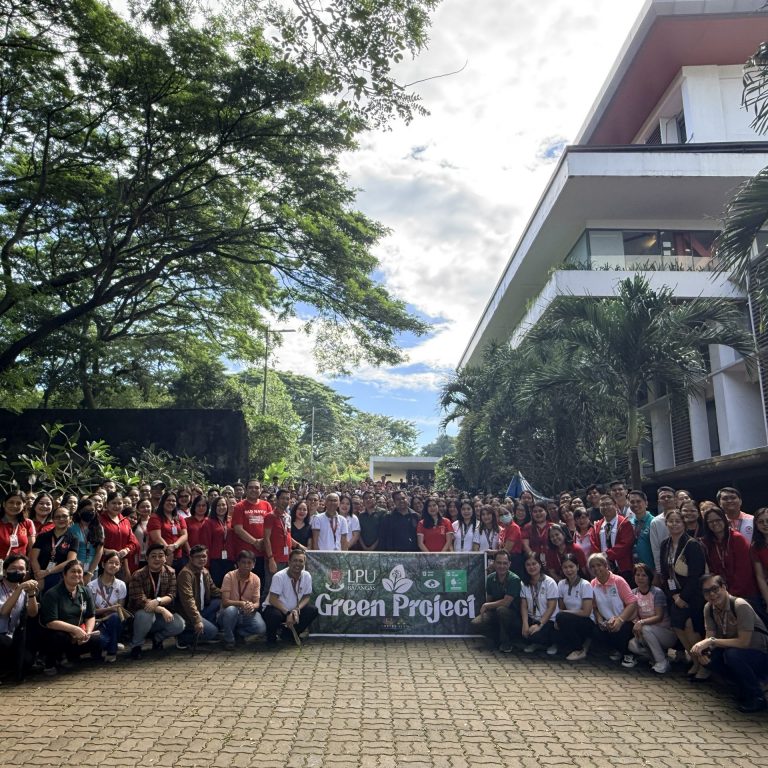
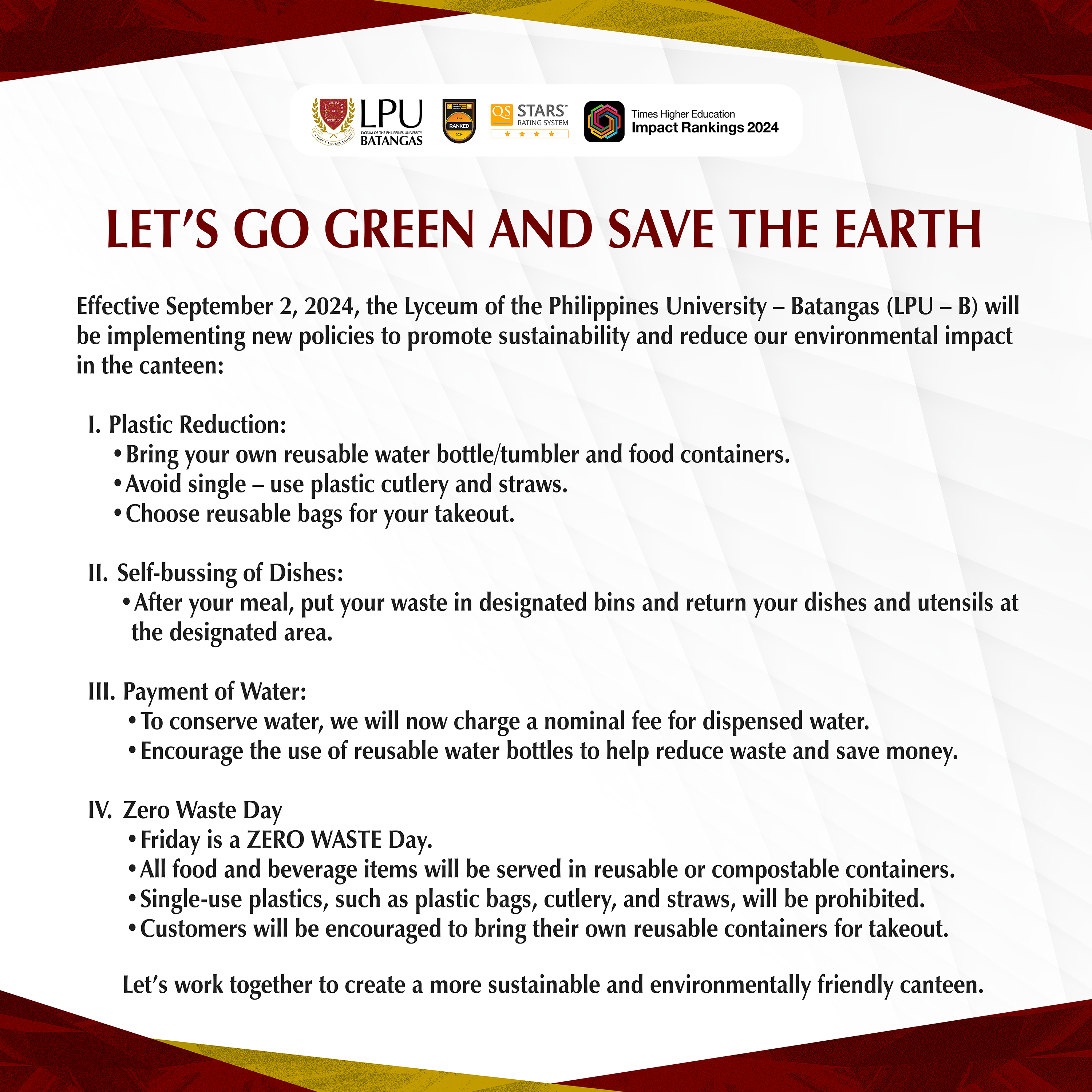
Our campus is deeply committed to sustainability and responsible waste management. To uphold this commitment, we strictly enforce the following guidelines across all three campuses. We encourage everyone to embrace these practices and help us build a greener future.

General Waste Reduction Policies

  1. Single-use plastic bottles and containers are prohibited on all three campuses, every day of the week.
  2. Packaged savory snacks (e.g., crackers, biscuits in plastic wrappers) are permitted at the Main and LIMA Campuses. However, at the Riverside Campus, the sale of food and drinks considered high in saturated fat, low in vitamins and minerals, or excessive in calories (if consumed in large amounts) is strictly prohibited. This includes all forms of junk food.
  3. Brown kraft paper packaging is permitted every day.
  4. Reusable containers are highly encouraged and allowed daily. If using a vendor’s reusable container, please return it to the vendor after use for proper handling.
  5. Tissue papers are permitted daily.
  6. “Clean As You Go” (CLAYGO) is mandatory in all eating areas. Please dispose of your waste properly. We will install clear CLAYGO signage on all tables.
  7. Separate your waste into designated bins for biodegradable and non-biodegradable materials.

Green Friday Initiative

Every Friday is designated as a Green Friday (formerly Zero Waste Friday). This initiative aims to significantly reduce our non-biodegradable waste, with a campus-wide goal of achieving zero non-biodegradable waste by 2030. Green Fridays emphasize and promote the principles of:

  • Refuse: Say no to unnecessary items.
  • Reduce: Minimize what you consume.
  • Reuse: Opt for reusable alternatives.
  • Recycle: Properly sort recyclable materials.
  • Rot (Compost): Dispose of organic waste appropriately.

To support this goal on Green Fridays:

  1. Limited waste bins will be available. You are responsible for managing any waste you generate and taking it with you if a bin is not available.
  2. Non-biodegradable food containers and carton wrappers are not permitted on Green Fridays.
  3. Food deliveries are generally not allowed on Green Fridays, except for approved special events. Requests for exceptions must be submitted for approval.

Vendor and Event Guidelines

  1. For booth setups across all three campuses, organizers and vendors must undergo orientation and receive approval from HRMD and PFMO.
  2. A checklist will be provided to external vendors for signature, ensuring their compliance with the university’s waste reduction policies.

Monitoring and Improvement

  1. The Canteen management is responsible for tracking and reporting waste generation data (e.g., number of sacks/trucks of waste), this is for the Canteen waste. This data will be used to assess our progress and identify areas for improvement.
  2. The Physical Facilities Management Office (PFMO) is also responsible for tracking and reporting waste generation data, this is for waste outside the canteen.
Center for Sustainable Transformation

Center for Sustainable Transformation

The Center for Sustainable Transformation is a research and action hub dedicated to advancing the United Nations 2030 Sustainable Development Goals (SDG) through innovative solutions and transformative initiatives.

VISION

To be a leader in driving sustainable transformation for a more equitable, resilient and thriving world, in alignment with the United Nations Sustainable Development Goals

MISSION

The Center for Sustainable Transformation is committed to advancing the UNs Sustainable Development Goals through innovative research, education, collaboration, and advocacy.  We strive to drive transformative solutions that address the interconnected challenges of environmental degradation, social inequality, and economic instability, leading to a prosperous and resilient future for the next generations.

FUNCTIONS

  • Research: The center conducts interdisciplinary research to address pressing sustainability challenges and identify opportunities for positive change in line with SDGs.
  • Education and Outreach : Provides educational programs, workshops and outreach activities to raise awareness about the SDGs and promote sustainable practices among students, faculty and the community.
  • Collaboration: The center collaborates with government agencies, businesses, NGOs and other stakeholders to develop partnership and projects that drive sustainable transformation at local, national and global levels.
  • Innovation: Fosters innovation by supporting sustainable technology development, social entrepreneurship , and other creative solutions that contribute to achieving the SDGs.
  • Advocacy: The center advocates for policies and practices that promote sustainability, equity, and environmental stewardship in alignment with the SDGs.
Guidelines in the Integration of SDGs

Guidelines in the Integration of Sustainable Development Goals (SDGs)

I. Rationale:

Integrating the UN 2030 Agenda SGDs in the university is crucial in addressing global challenges since it provides a comprehensive framework for addressing some of the world’s most pressing  challenges, such as poverty, inequality, climate change,  and environmental degradation. The university plays a critical role in equipping students with the knowledge, skills and values needed to address these challenges .


Higher education institutions have a responsibility to meet the needs of the society by aligning the programs and activities with the needs of the community.


By integrating SDGs in the curriculum, students will develop a sense of responsibility towards society and the environment. It can also promote innovation by encouraging students and faculty to develop new solutions to the world’s  most pressing challenges and create a more sustainable future for all.


II. SDG Committee

The SDG committee headed by the Vice President for Academics and Research  shall promote and implement sustainable development practices and initiatives. The primary committee is composed of deans, and department heads, while the sub-committee includes teachers, students, and administrative staff and its main purpose is to support the integration of the SDGs into the school’s curriculum, operations, and culture.


By creating an SDG committee, the university can take a proactive approach to promoting sustainable development and contribute to the achievement of the SDGs.


III. Purpose and scope of the committee:

The purpose of an SDG committee is to promote sustainable development within an organization by identifying and prioritizing the Sustainable Development Goals (SDGs) and developing initiatives and strategies to achieve them.


The committee’s scope includes:
 

  1. Setting goals and priorities: identify the SDGs that are most relevant to the university and set goals and priorities for achieving them. This involves assessing the university’s current practices and identifying areas for improvement.


  1. Developing initiatives and strategies: Once the goals and priorities are established, the committee shall develop initiatives and strategies to achieve them. Develop an action plan that outlines the activities and initiatives that it will undertake to promote the SDGs in the school. This involves developing new policies, programs, or projects that align with the SDGs, organizing events, developing educational resources, and implementing sustainable practices in the university operations.


  1. Integrating the SDGs into the curriculum: The Deans Council will work with faculty to integrate the SDGs into the curriculum through developing new lesson plans, activities, and projects that are focused on the SDGs.


  1. Promoting awareness and engagement: This involves organizing events, workshops, or other activities to educate people about the SDGs and encourage them to get involved


  1. Building partnerships: build partnerships with other organizations or communities that are working towards similar goals. This involves collaborating on projects or sharing resources and expertise to achieve the SDGs.


  1. Monitoring and reporting progress: the committee shall monitor and report on the organization or community’s progress towards achieving the SDGs. This involves tracking the implementation of initiatives and strategies and assessing their impact on the organization or community.


  1. Evaluating progress: regular monitoring and evaluation of its progress in achieving its objectives to identify areas where improvements can be made and ensure that the committee’s efforts are having a positive impact on the school community.


IV. Sub-committee meeting

  1. The Subcommittee shall meet regularly to identify the relevant plans and programs aligned with their assigned SGD. (Monthly)
  2. The chair is responsible to implement and monitor the identified plans and programs.
  3. The chair will attend the regular meeting with the institutional committee.


V. Submission of report


  1. The chair shall submit the plan/programs to the President thru the VPAR.
  2. The chair shall also submit progress report at the end of the semester and accomplishment report at the end of the academic year
Risk Management Sustainable Program
Let's Go Green
Equality, Diversity, and Inclusion (EDI) Policy
Waste Management Program Guidelines

Our campus is deeply committed to sustainability and responsible waste management. To uphold this commitment, we strictly enforce the following guidelines across all three campuses. We encourage everyone to embrace these practices and help us build a greener future.

General Waste Reduction Policies

  1. Single-use plastic bottles and containers are prohibited on all three campuses, every day of the week.
  2. Packaged savory snacks (e.g., crackers, biscuits in plastic wrappers) are permitted at the Main and LIMA Campuses. However, at the Riverside Campus, the sale of food and drinks considered high in saturated fat, low in vitamins and minerals, or excessive in calories (if consumed in large amounts) is strictly prohibited. This includes all forms of junk food.
  3. Brown kraft paper packaging is permitted every day.
  4. Reusable containers are highly encouraged and allowed daily. If using a vendor’s reusable container, please return it to the vendor after use for proper handling.
  5. Tissue papers are permitted daily.
  6. “Clean As You Go” (CLAYGO) is mandatory in all eating areas. Please dispose of your waste properly. We will install clear CLAYGO signage on all tables.
  7. Separate your waste into designated bins for biodegradable and non-biodegradable materials.

Green Friday Initiative

Every Friday is designated as a Green Friday (formerly Zero Waste Friday). This initiative aims to significantly reduce our non-biodegradable waste, with a campus-wide goal of achieving zero non-biodegradable waste by 2030. Green Fridays emphasize and promote the principles of:

  • Refuse: Say no to unnecessary items.
  • Reduce: Minimize what you consume.
  • Reuse: Opt for reusable alternatives.
  • Recycle: Properly sort recyclable materials.
  • Rot (Compost): Dispose of organic waste appropriately.

To support this goal on Green Fridays:
  1. Limited waste bins will be available. You are responsible for managing any waste you generate and taking it with you if a bin is not available.
  2. Non-biodegradable food containers and carton wrappers are not permitted on Green Fridays.
  3. Food deliveries are generally not allowed on Green Fridays, except for approved special events. Requests for exceptions must be submitted for approval.

Vendor and Event Guidelines

  1. For booth setups across all three campuses, organizers and vendors must undergo orientation and receive approval from HRMD and PFMO.
  2. A checklist will be provided to external vendors for signature, ensuring their compliance with the university’s waste reduction policies.

Monitoring and Improvement

  1. The Canteen management is responsible for tracking and reporting waste generation data (e.g., number of sacks/trucks of waste), this is for the Canteen waste. This data will be used to assess our progress and identify areas for improvement.
  2. The Physical Facilities Management Office (PFMO) is also responsible for tracking and reporting waste generation data, this is for waste outside the canteen.

Latest in LPU and SDGs

CONTACT US

Email: [email protected]
Landline: (043) 723 – 0706 loc. 122

TALK TO US TODAY!

Send us your inquiries and we would be glad to answer them.