Bachelor of Science in International Tourism Management

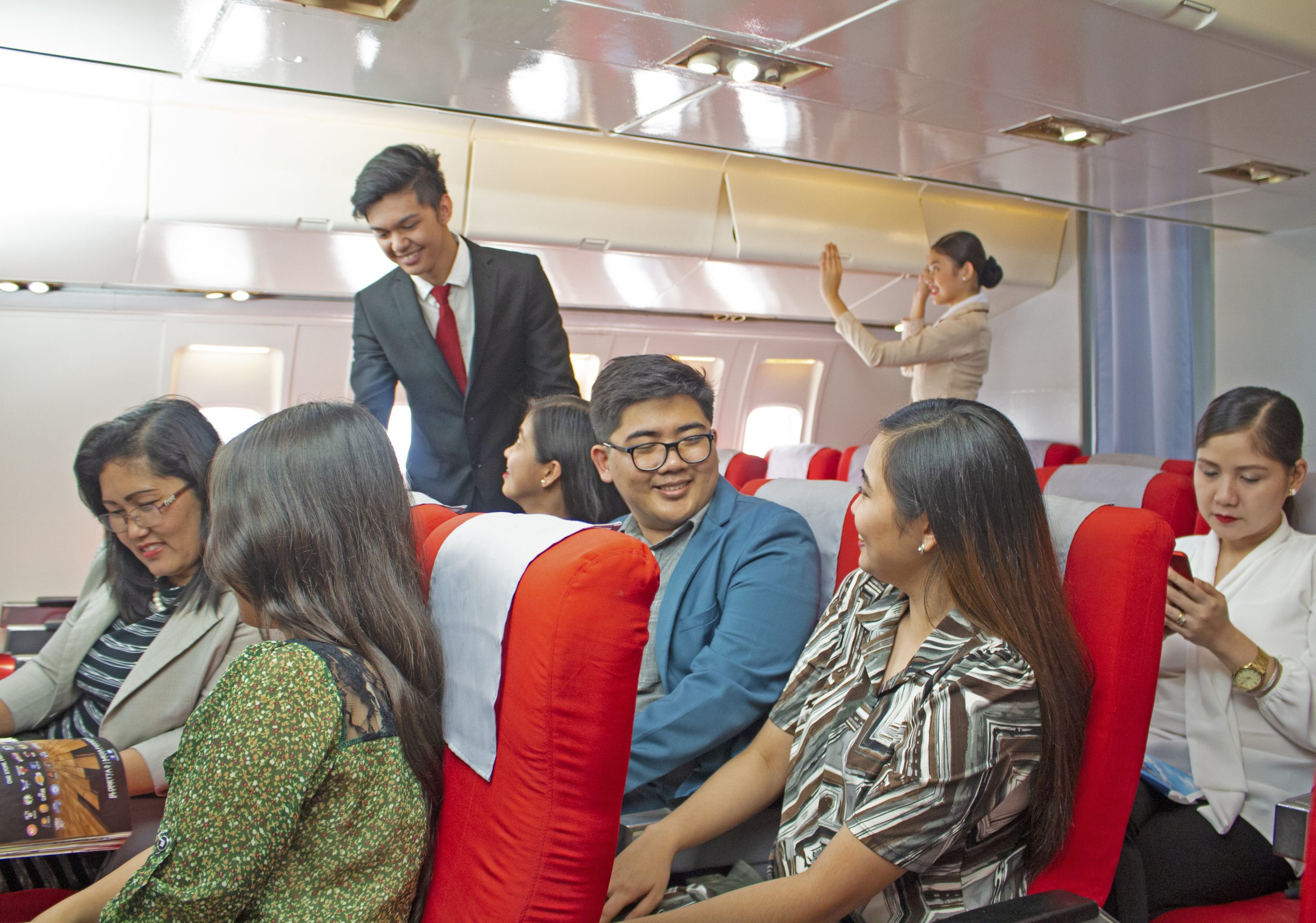
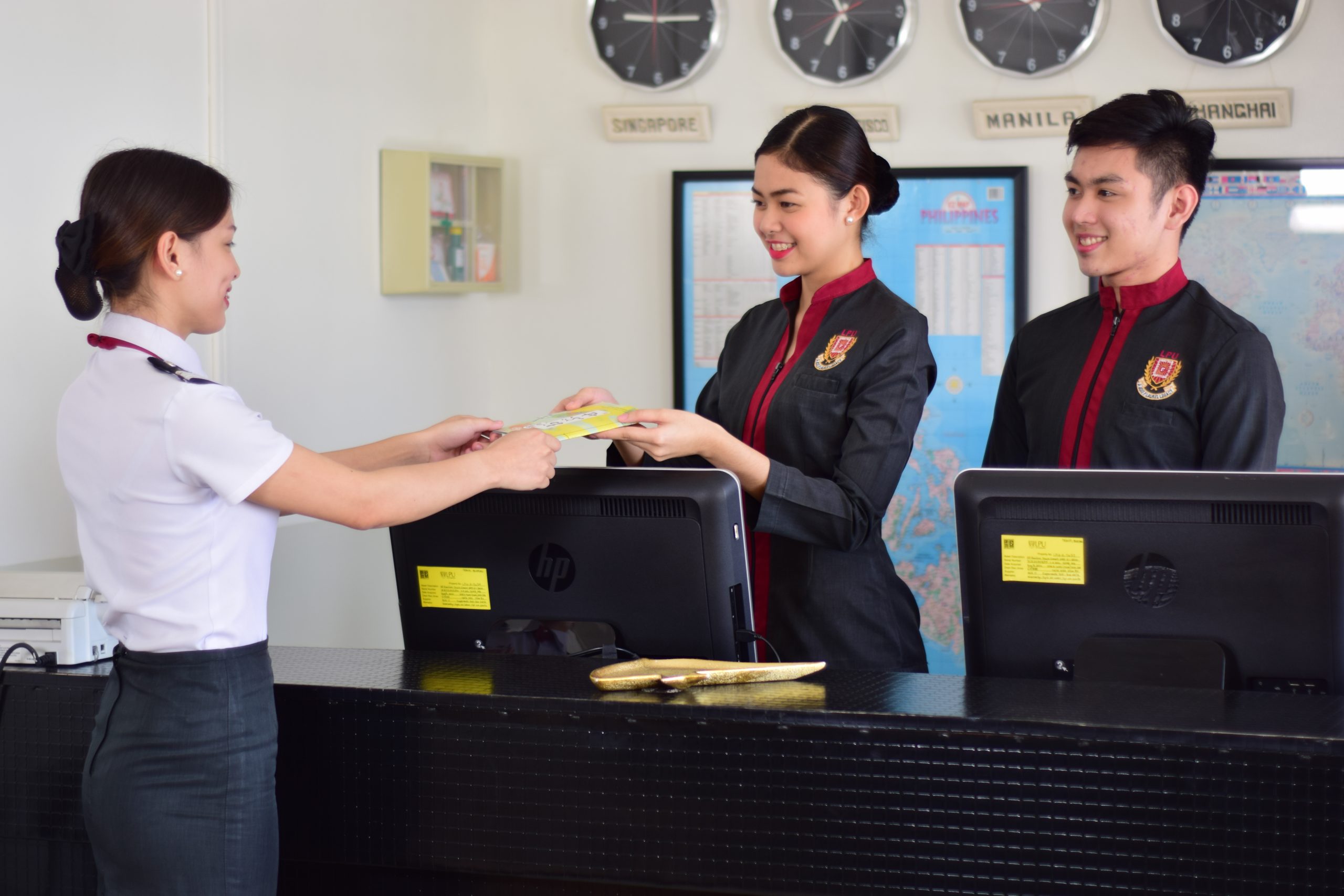
Bachelor of Science in International Tourism Management (BSITM) provides in-depth knowledge in the fields of hospitality and tourism education. It provides the students the opportunity to become involved in managing and planning, to work in the dynamic tourism industry and sectors like hospitality and travel and tourism. The program will give you the knowledge and understanding of how tourism businesses operate, and how tourists behave, and what impact tourism has on countries, cultures, and the environment. It also helps develop a wide range of skills that can be applied to a variety of managerial and entrepreneurial roles in the expanding tourism industry and it provides exposure to becoming globally competitive in the management of the travel, tour, and hospitality industry. 

Accreditation:

  • Center of Excellence in Tourism Program as awarded by the Commission on Higher Education
  • PACUCOA Level IV Accredited Status
  • AUN-QA Certified for Bachelor of Science in International Travel & Tourism Management
  • International Center of Excellence (5-stars) awarded by the Asia Pacific Institute for Events Management (APIEM)
  • Fully Accredited by The International Centre of Excellence in Tourism and Hospitality Education (THE-ICE)

Download Curriculum

The complete program curriculum for Bachelor of Science in International Tourism Management (BSITM)

Download Student Manual

The Student Manual for Bachelor of Science in International Tourism Management (BSITM)

LEVEL OUTCOMES

Three to five years after graduation, graduates of BSITM Program shall:

  • Demonstrate professional competence and leadership in tourism and hospitality operations by applying industry standards, digital technologies, service excellence, ethical practices, and responsible tourism principles in local and global settings.
  •  Assume supervisory, managerial, or entrepreneurial roles in the tourism and hospitality industry by effectively managing operations, destinations, enterprises, projects, service delivery, resources, and diverse teams in dynamic local and global environments.
  • Pursue lifelong learning and professional advancement through continuing education, specialized training, industry certifications, and continuous upskilling to remain responsive to emerging trends, technological advancements, and evolving demands of the global tourism and hospitality industry.
  • Contribute to innovation, research, sustainability, and responsible development in tourism and hospitality through initiatives that promote sustainable destination management, cultural and environmental conservation, community engagement, industry resilience, and global competitiveness.

By the time of graduation, the students shall have the ability to:

  • Apply knowledge of physical, social, natural sciences, and humanities in the practice of the profession.
  • Integrate advanced tourism and hospitality technical and operational competencies in travel services, tour operations, destination and visitor/guest services, food and beverage service, rooms division, food production, and events management in accordance with national and international industry standards.
  • Integrate and assess tourism and hospitality technologies and digital systems in enhancing operational efficiency, informed decision-making, service delivery, and visitor experience.
  • Demonstrate professional ethics, leadership, teamwork, and intercultural sensitivity in diverse local and global tourism and hospitality environments to ensure inclusive, respectful, responsible, and effective service delivery.
  • Develop and apply effective oral, written, digital, and foreign language communication skills to support professional interactions and service delivery in diverse local and international tourism settings.
  • Create innovative, sustainable, and market-responsive tourism and hospitality business concepts, integrating financial, operational, technological, and customer-centered strategies.
  • Manage administrative and operational functions in tourism and hospitality enterprises and organizations, applying leadership, quality management, financial management, and service excellence principles.
  • Conduct and develop research to advance tourism and hospitality practices, support evidence-based decision-making, and contribute to sustainable industry, destination, and community development.
  • Implement risk management, safety, security, and crisis management strategies in tourism and hospitality operations, ensuring effective emergency response and compliance with relevant laws, regulations, and industry standards.
  • Develop and sustain continuous professional development pathways, industry certifications, and professional engagement aligned with evolving local and global tourism industry demands.
  • Demonstrate responsible citizenship and pride in Filipino identity by promoting Philippine culture, heritage, values, and responsible tourism and hospitality practices in local and global contexts.
  • Integrate globally competitive knowledge, skills, and professional attitudes to meet the evolving demands and standards of local and international tourism industries.
Program Educational Objectives (PEO)

Three to five years after graduation, graduates of BSITM Program shall:

  • Demonstrate professional competence and leadership in tourism and hospitality operations by applying industry standards, digital technologies, service excellence, ethical practices, and responsible tourism principles in local and global settings.
  •  Assume supervisory, managerial, or entrepreneurial roles in the tourism and hospitality industry by effectively managing operations, destinations, enterprises, projects, service delivery, resources, and diverse teams in dynamic local and global environments.
  • Pursue lifelong learning and professional advancement through continuing education, specialized training, industry certifications, and continuous upskilling to remain responsive to emerging trends, technological advancements, and evolving demands of the global tourism and hospitality industry.
  • Contribute to innovation, research, sustainability, and responsible development in tourism and hospitality through initiatives that promote sustainable destination management, cultural and environmental conservation, community engagement, industry resilience, and global competitiveness.
Student Outcomes (SO)

By the time of graduation, the students shall have the ability to:

  • Apply knowledge of physical, social, natural sciences, and humanities in the practice of the profession.
  • Integrate advanced tourism and hospitality technical and operational competencies in travel services, tour operations, destination and visitor/guest services, food and beverage service, rooms division, food production, and events management in accordance with national and international industry standards.
  • Integrate and assess tourism and hospitality technologies and digital systems in enhancing operational efficiency, informed decision-making, service delivery, and visitor experience.
  • Demonstrate professional ethics, leadership, teamwork, and intercultural sensitivity in diverse local and global tourism and hospitality environments to ensure inclusive, respectful, responsible, and effective service delivery.
  • Develop and apply effective oral, written, digital, and foreign language communication skills to support professional interactions and service delivery in diverse local and international tourism settings.
  • Create innovative, sustainable, and market-responsive tourism and hospitality business concepts, integrating financial, operational, technological, and customer-centered strategies.
  • Manage administrative and operational functions in tourism and hospitality enterprises and organizations, applying leadership, quality management, financial management, and service excellence principles.
  • Conduct and develop research to advance tourism and hospitality practices, support evidence-based decision-making, and contribute to sustainable industry, destination, and community development.
  • Implement risk management, safety, security, and crisis management strategies in tourism and hospitality operations, ensuring effective emergency response and compliance with relevant laws, regulations, and industry standards.
  • Develop and sustain continuous professional development pathways, industry certifications, and professional engagement aligned with evolving local and global tourism industry demands.
  • Demonstrate responsible citizenship and pride in Filipino identity by promoting Philippine culture, heritage, values, and responsible tourism and hospitality practices in local and global contexts.
  • Integrate globally competitive knowledge, skills, and professional attitudes to meet the evolving demands and standards of local and international tourism industries.

EMPLOYMENT OPPORTUNITIES

POLICY ON ADMISSION AND RETENTION

Purpose: – To provide guidelines for student retention and shifting within the College of International Tourism and Hospitality Management, distinguishing between the Associate and Bachelor programs.

Scope: – Applicable to all students enrolled in the Associate and Bachelor programs in College of International Tourism and Hospitality Management.

Academic Performance:

  • Associate Program: Must have no failing grades in all required courses.
  • Bachelor Program: Must have no failing grades in all required courses.
  • Successfully complete all required courses within the stipulated time frame.


Attendance:

  • Associate Program: Maintain a minimum attendance rate of 75% in classes and practical sessions.
  • Bachelor Program: Maintain a minimum attendance rate of 75% in classes and practical sessions.
  • Follow the college’s attendance policies.


Professionalism:

  • Adhere to a code of conduct that reflects professionalism in academic and practical settings.
  • Participate actively in internships, workshops, and industry-related events.

Early Warning System:

  • Implement an early warning system to identify students at risk of not meeting retention criteria.
  • Provide academic counseling and support for struggling students.

Tutoring Services:

  • Offer tutoring services for students experiencing academic challenges.
  • Encourage peer-to-peer support.

Internal Shifting:

  • Allow students to shift between different programs within the College of International Tourism and Hospitality Management.
  • Specify the criteria for internal shifting no failing grades in all required courses for the Associate Program and for the Bachelor Program.

Eligibility Criteria

Associate Program:

Current enrollment in the College of International Tourism and Hospitality Management.

Must have no failing grades in the subjects taken. – Good standing in the current program.


Bachelor Program:

College of International Tourism and Hospitality Management.

Must have no failing grades in the subjects taken. – Good standing in the current program.


Application Procedure

  • Submission of Internal Shifting Application.
  • Specify desired program and provide reasons for the shift.
  • Submission deadline for internal shifting applications.


Evaluation Process

  • Academic performance review.
  • Consideration of program-specific criteria.
  • Interview (if necessary).


Notification

  • Notify students of the shifting decision.
  • Provide feedback and guidance for approved shifts.
  • Communicate any required additional steps.


External Shifting:

  • Provide guidelines for students wishing to shift to or from other departments.
  • Outline the application process and requirements.

Eligibility Criteria

  • Current enrollment in a different department.
  • Must have no failing grades in the subjects taken.
  • Good standing in the current program.


Application Procedure

  • Submission of External Shifting Application.
  • Specify desired program in the College of International Tourism and Hospitality Management.
  • Submission deadline for external shifting applications.


Evaluation Process

  • Academic performance review.
  • Consideration of program-specific criteria.
  • Interview (if necessary).


Notification

  • Notify students of the shifting decision.
  • Provide feedback and guidance for approved shifts.
  • Communicate any required additional steps.
  • Establish a fair and transparent appeals process for students who do not meet retention criteria or face challenges in shifting.


  • Feel free to adjust the numerical values based on the specific standards and expectations of your college’s associate and bachelor programs.

Credit Transfer

  • Determine the transferability of credits from the previous program.
  • Communicate the credit transfer process to approved shifters.


Academic Advising

  • Assign an academic advisor to guide shifted students.
  • Develop an academic plan for the remainder of the program.


Appeals Process

  • Establish a transparent appeals process for students dissatisfied with the shifting decision.
  • Outline the steps and deadlines for filing an appeal.
Retention Criteria

Academic Performance:

  • Associate Program: Must have no failing grades in all required courses.
  • Bachelor Program: Must have no failing grades in all required courses.
  • Successfully complete all required courses within the stipulated time frame.


Attendance:

  • Associate Program: Maintain a minimum attendance rate of 75% in classes and practical sessions.
  • Bachelor Program: Maintain a minimum attendance rate of 75% in classes and practical sessions.
  • Follow the college’s attendance policies.


Professionalism:

  • Adhere to a code of conduct that reflects professionalism in academic and practical settings.
  • Participate actively in internships, workshops, and industry-related events.
Intervention Strategies

Early Warning System:

  • Implement an early warning system to identify students at risk of not meeting retention criteria.
  • Provide academic counseling and support for struggling students.

Tutoring Services:

  • Offer tutoring services for students experiencing academic challenges.
  • Encourage peer-to-peer support.
Shifting Procedures

Internal Shifting:

  • Allow students to shift between different programs within the College of International Tourism and Hospitality Management.
  • Specify the criteria for internal shifting no failing grades in all required courses for the Associate Program and for the Bachelor Program.

Eligibility Criteria

Associate Program:

Current enrollment in the College of International Tourism and Hospitality Management.

Must have no failing grades in the subjects taken. – Good standing in the current program.


Bachelor Program:

College of International Tourism and Hospitality Management.

Must have no failing grades in the subjects taken. – Good standing in the current program.


Application Procedure

  • Submission of Internal Shifting Application.
  • Specify desired program and provide reasons for the shift.
  • Submission deadline for internal shifting applications.


Evaluation Process

  • Academic performance review.
  • Consideration of program-specific criteria.
  • Interview (if necessary).


Notification

  • Notify students of the shifting decision.
  • Provide feedback and guidance for approved shifts.
  • Communicate any required additional steps.


External Shifting:

  • Provide guidelines for students wishing to shift to or from other departments.
  • Outline the application process and requirements.

Eligibility Criteria

  • Current enrollment in a different department.
  • Must have no failing grades in the subjects taken.
  • Good standing in the current program.


Application Procedure

  • Submission of External Shifting Application.
  • Specify desired program in the College of International Tourism and Hospitality Management.
  • Submission deadline for external shifting applications.


Evaluation Process

  • Academic performance review.
  • Consideration of program-specific criteria.
  • Interview (if necessary).


Notification

  • Notify students of the shifting decision.
  • Provide feedback and guidance for approved shifts.
  • Communicate any required additional steps.
Appeals Process
  • Establish a fair and transparent appeals process for students who do not meet retention criteria or face challenges in shifting.


  • Feel free to adjust the numerical values based on the specific standards and expectations of your college’s associate and bachelor programs.
Additional Considerations

Credit Transfer

  • Determine the transferability of credits from the previous program.
  • Communicate the credit transfer process to approved shifters.


Academic Advising

  • Assign an academic advisor to guide shifted students.
  • Develop an academic plan for the remainder of the program.


Appeals Process

  • Establish a transparent appeals process for students dissatisfied with the shifting decision.
  • Outline the steps and deadlines for filing an appeal.

Lycean Testimonials

Contact Information

Dr. Marivic V. Ricafort

Department Chair – International Tourism Management Program

[email protected]

Dr. Ryan L. Mejia

Dean, College of International Tourism and Hospitality Management

[email protected]


Ms. Maris Glacel C. Janier

College Secretary – College of International Tourism and Hospitality Management

[email protected]


Ms. Kim Ayeza J. Cantos

College Secretary – College of International Tourism and Hospitality Management

[email protected]

Office Location

Lower Ground, SHL Building, Main Campus


Contact Number

(043) 723-0706 loc. 108

+63 919 378 8108


Email

[email protected]


Official Facebook Page

https://www.facebook.com/lpubatangas.cithm

TALK TO US TODAY!

Send us your inquiries and we would be glad to answer them.